

Understanding Water Tanker Safety in Abu Dhabi
One of the most common questions people ask before booking a tanker is:
👉 “Is tanker water safe?”
The short answer is:
✅ Yes — if the water comes from a licensed supplier, properly maintained tanker, and clean storage system.
In Abu Dhabi, water quality is regulated under standards aligned with the World Health Organization (WHO), and water supplied by utilities is treated potable water. However, the condition of storage tanks, tanker hygiene, and maintenance practices are critical factors affecting safety.
🧪 What Makes Tanker Water Safe?

9
Safe tanker water depends on several important factors:
- ✅ Clean and disinfected tanker tanks
- ✅ Municipality-compliant water source
- ✅ Proper water testing
- ✅ Hygienic storage conditions
- ✅ Regular tank cleaning and maintenance
If these standards are followed, tanker water is generally safe for:
- Household usage
- Bathing and washing
- Swimming pool filling
- Commercial and construction use
- Drinking (only if classified as potable/sweet water)
🚨 Biggest Risk: Storage Tanks, Not the Water Source
According to Abu Dhabi water quality guidance, the public water supply itself is treated and tested to high standards. The bigger risk usually comes after the water reaches buildings or tanks.
Common issues include:
- Dirty rooftop tanks
- Sediment buildup
- Rusty pipelines
- Poor maintenance
- Bacterial growth due to heat
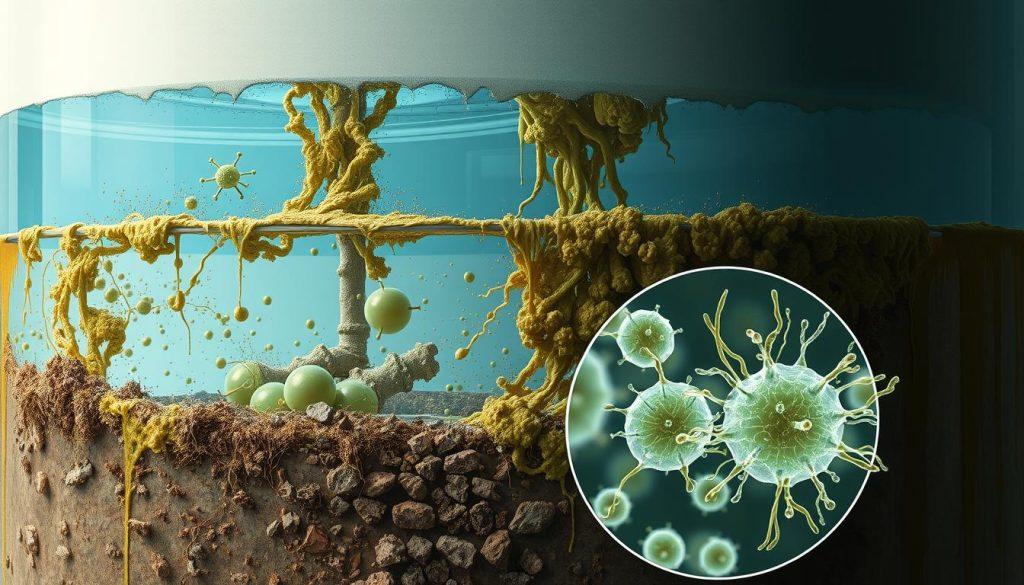
In Abu Dhabi’s extreme temperatures, poorly maintained tanks can become a breeding ground for bacteria and algae.
🦠 Common Contamination Problems

6
Unsafe tanker water or dirty storage tanks may contain:
- Bacteria
- Algae
- Sediment and sand
- Rust particles
- Bad odor or discoloration
Signs your water may need inspection:
- Yellow or cloudy water
- Metallic smell or taste
- Visible particles
- Skin irritation after bathing
Experts and local maintenance providers recommend regular cleaning and disinfection to prevent these issues.
🔬 How Water Testing is Done
Professional water suppliers and maintenance companies often test for:
| Test Type | Purpose |
|---|---|
| Bacteria Test | Detect harmful microorganisms |
| pH Level Test | Ensure balanced water quality |
| Chlorine Test | Verify proper disinfection |
| TDS Test | Measure dissolved solids |
| Visual Inspection | Check color, odor & sediment |
Municipality guidance also emphasizes maintaining records of cleaning and water sample testing for public water systems.
🏠 Is Tanker Water Safe for Drinking?
6
✅ YES — if it is:
- Potable/sweet water
- From a licensed supplier
- Stored in a clean tank
- Properly filtered if necessary
❌ NO — if it is:
- Salt water
- Construction-use water
- Stored in dirty tanks
- Discolored or foul-smelling
Many residents in Abu Dhabi note that municipal water is generally safe at the source, but storage tanks and internal plumbing are often the real concern.
🧼 Why Regular Tank Cleaning Matters
Abu Dhabi maintenance guidance commonly recommends water tank cleaning every 6 months to maintain hygiene and reduce bacterial growth.
Benefits of regular cleaning:
- Better water quality
- Reduced bacteria and algae
- Cleaner smell and taste
- Longer tank life
- Safer household use
🌡️ Abu Dhabi Climate & Water Safety
High temperatures in the UAE increase the risk of:
- Bacterial growth
- Algae formation
- Faster contamination
Water regulations and industry guidance emphasize protecting tanks from heat and direct sunlight to preserve water quality.
✅ How to Choose a Safe Water Tanker Service
Before booking a tanker, ask these questions:
- Is the water potable/sweet water?
- Are tankers cleaned regularly?
- Do they follow municipality guidelines?
- Is water tested?
- Are storage tanks disinfected?
Choosing a trusted supplier greatly reduces safety risks.